From Concept to Production-Ready Apparel

Custom Apparel Design Development

From first idea to a production-ready brief, HUYU Apparel helps brands develop T-shirts, hoodies, jackets, dresses, uniforms and other custom apparel. Our Foshan team aligns silhouette, fit, materials, construction, branding and target cost before pattern making and sampling.

Starting Your First Clothing Brand? Begin Here

You do not need to understand every factory term before contacting a manufacturer. What matters is having a clear product idea, knowing who you want to sell to, and being ready to make decisions step by step. HUYU Apparel helps new and growing brands turn sketches, reference garments, mood boards or simple ideas into production-ready clothing.

Our team can guide you through product planning, fabric selection, measurements, pattern making, sample development, decoration, labels, packaging and bulk-production preparation. The goal is to reduce avoidable revisions and help you understand what is being decided at each stage.
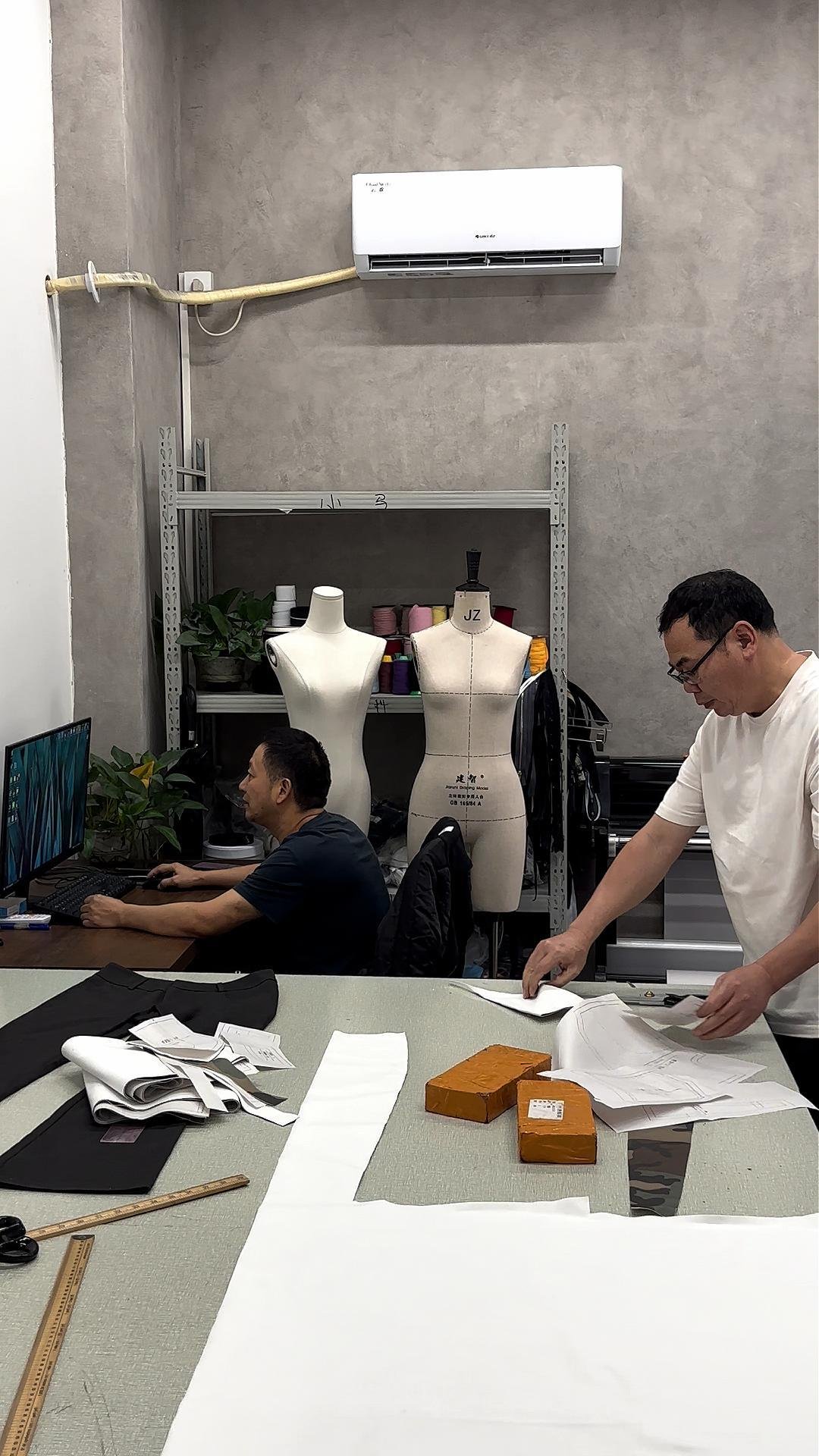
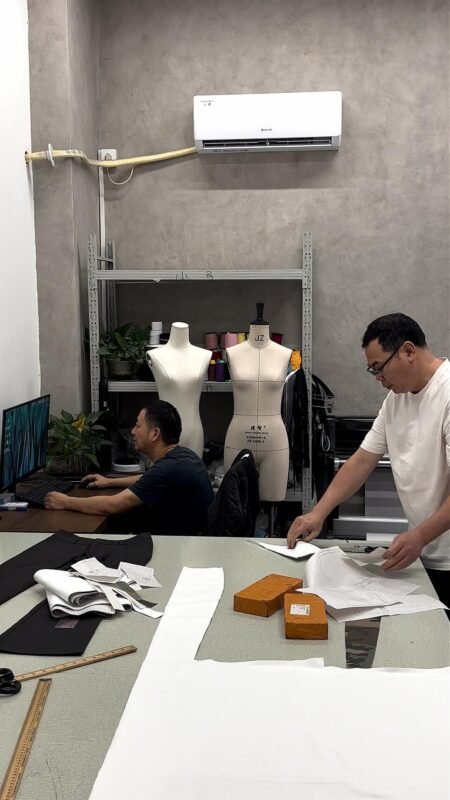
Pattern maker reviewing paper patterns in the HUYU Apparel sample room
Our Foshan sample-room team checks patterns, measurements and construction details before sampling.

The Clothing Development Process in 8 Clear Steps

1. Define the customer and product

Start with the person who will wear the garment. Consider age group, lifestyle, climate, price level, preferred fit and where the product will be sold. Then choose a focused first product such as a T-shirt, hoodie, shirt, jacket, dress, trousers or uniform. A small, well-defined first collection is usually easier to develop than many unrelated styles.

2. Build a practical design brief

Your brief can begin with a sketch, inspiration images, an existing garment, a mood board or a simple written description. Include the silhouette, preferred colors, intended fabric feeling, important details, target quantity, size range and expected selling season. A complete Tech Pack is useful, but it is not required for the first conversation.
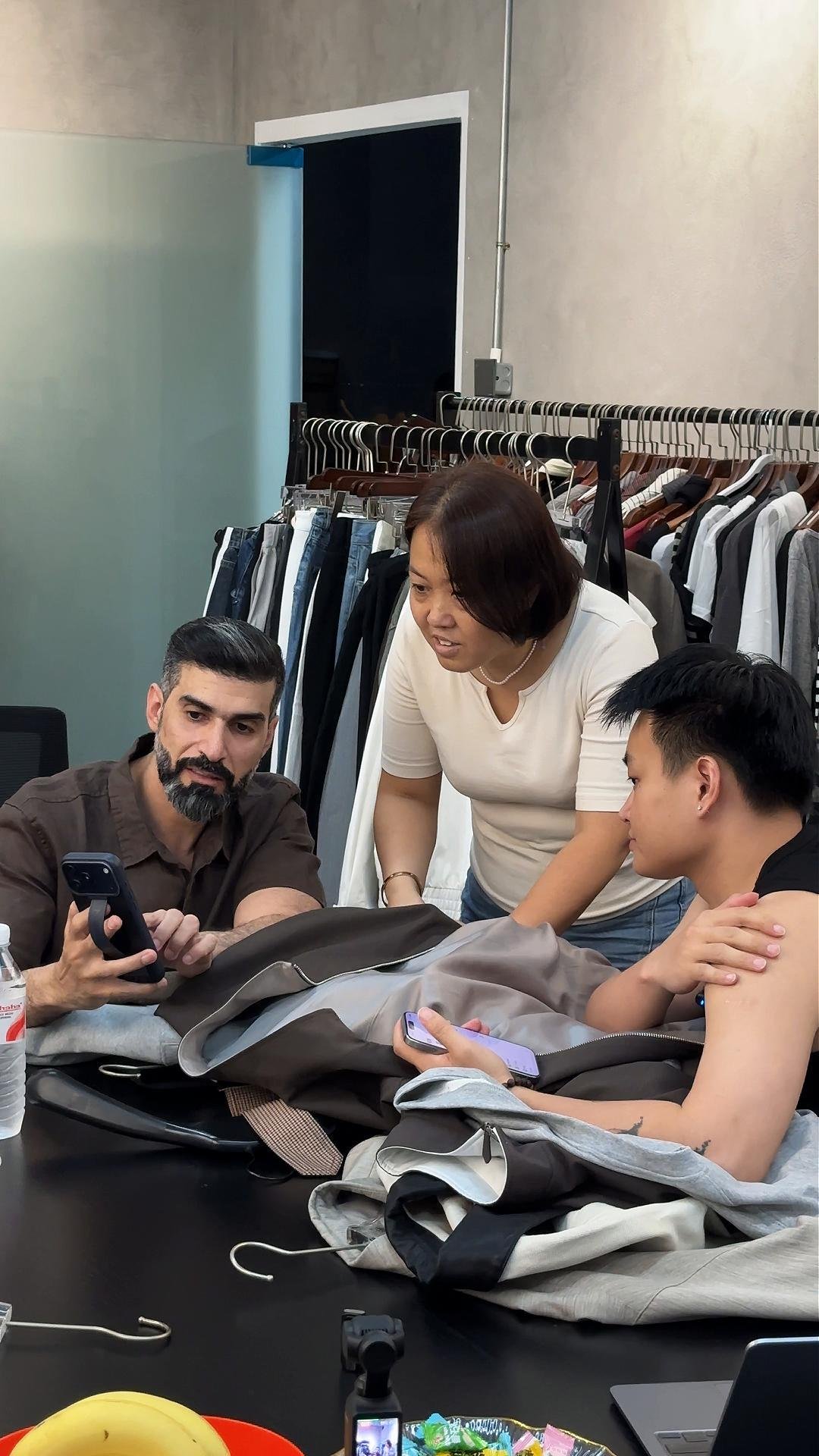
HUYU Apparel team discussing fabric and garment details with a customer
Early discussion helps align fabric, color, fit, construction and commercial goals.

3. Confirm the technical information

The factory needs measurable instructions, not only an attractive image. We help organize garment measurements, construction details, stitch requirements, pockets, collars, cuffs, closures, artwork placement, labels and packaging. These details become the working specification used by pattern makers, sample technicians and production teams.
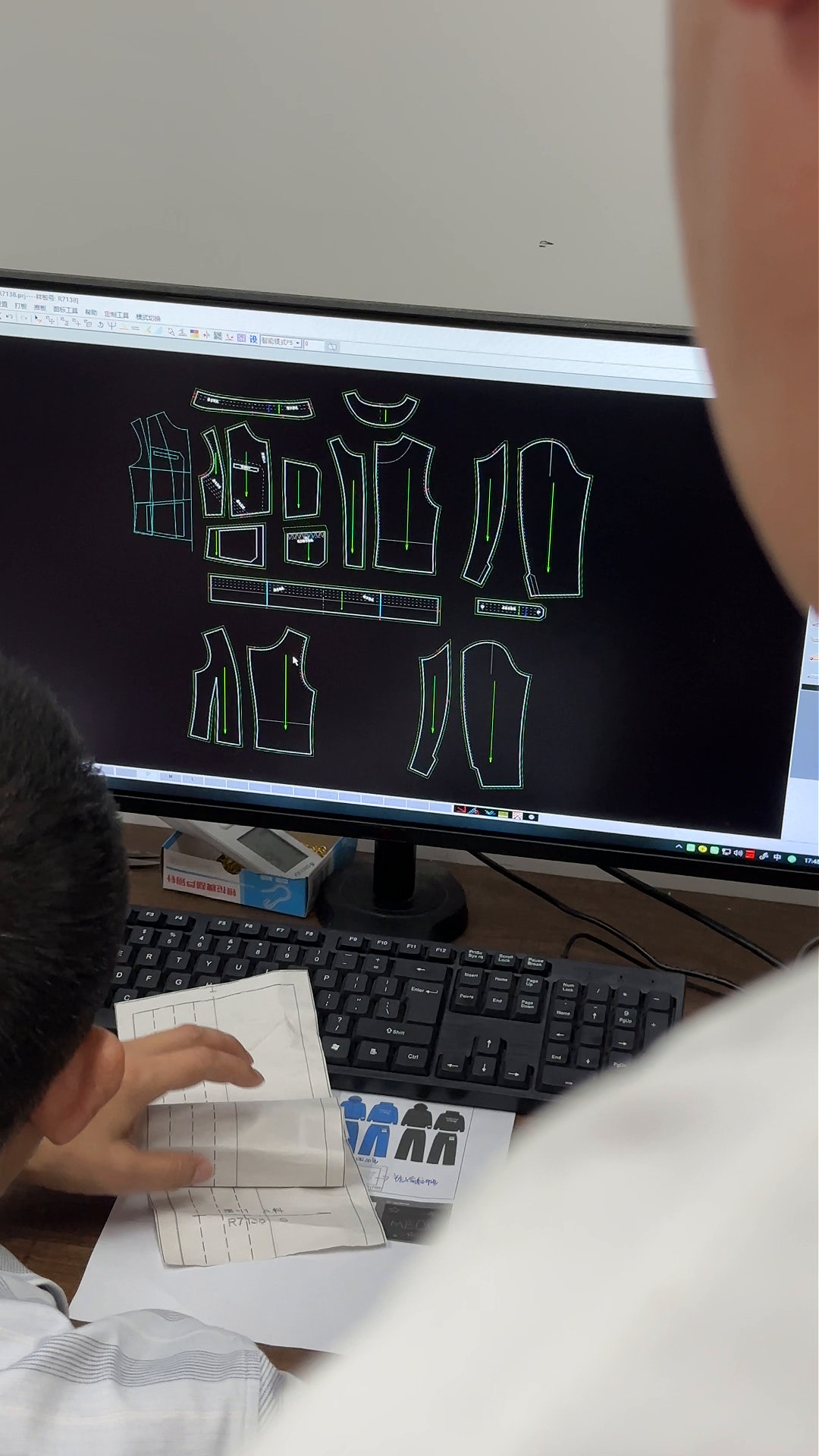
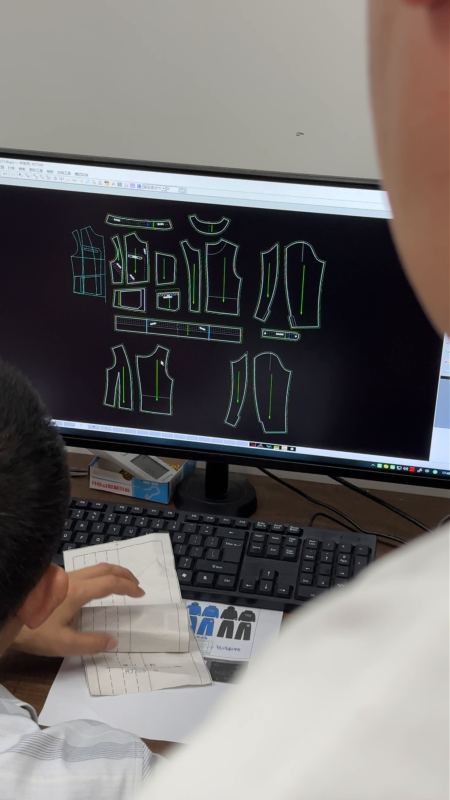
Digital garment pattern development on CAD software
CAD pattern development converts design details into accurate garment pieces.
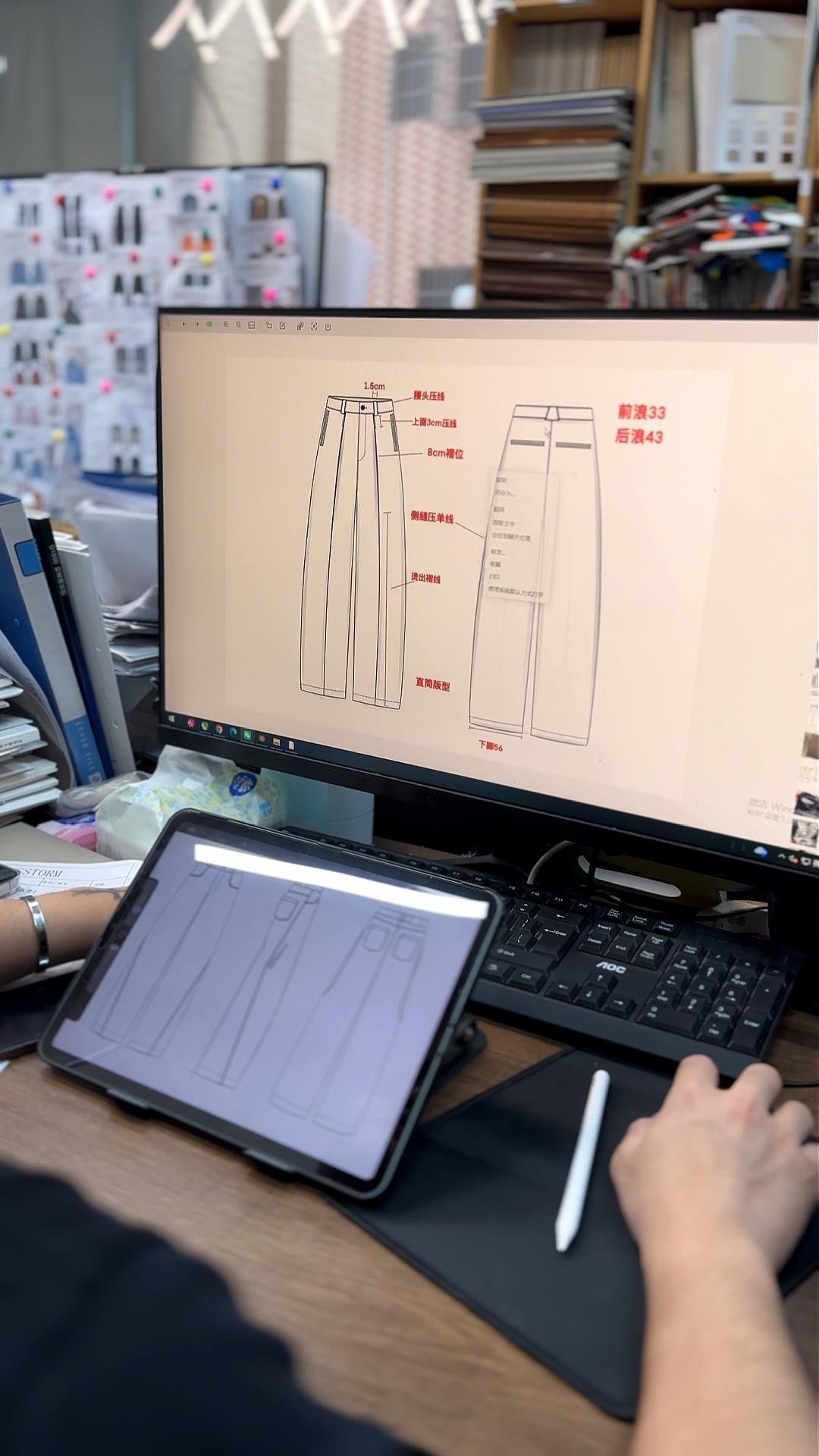
Apparel technical drawing and Tech Pack development at HUYU Apparel
Technical drawings and a clear Tech Pack turn garment ideas into measurable production instructions.

4. Select fabric, trims and decoration

Fabric affects fit, drape, comfort, durability, appearance and cost. Tell us the desired weight, softness, stretch, surface, season and target price. We can review suitable knit or woven options, then coordinate buttons, zippers, elastic, labels, embroidery, printing and other trims. Final materials should be confirmed from physical swatches or approved samples rather than screen color alone.

5. Develop the first sample

The first sample is a development tool. It helps evaluate shape, proportions, fit, fabric behavior, construction and visual details. It may not be perfect, especially when the product is new. What matters is identifying clear changes and recording them accurately for the next version.
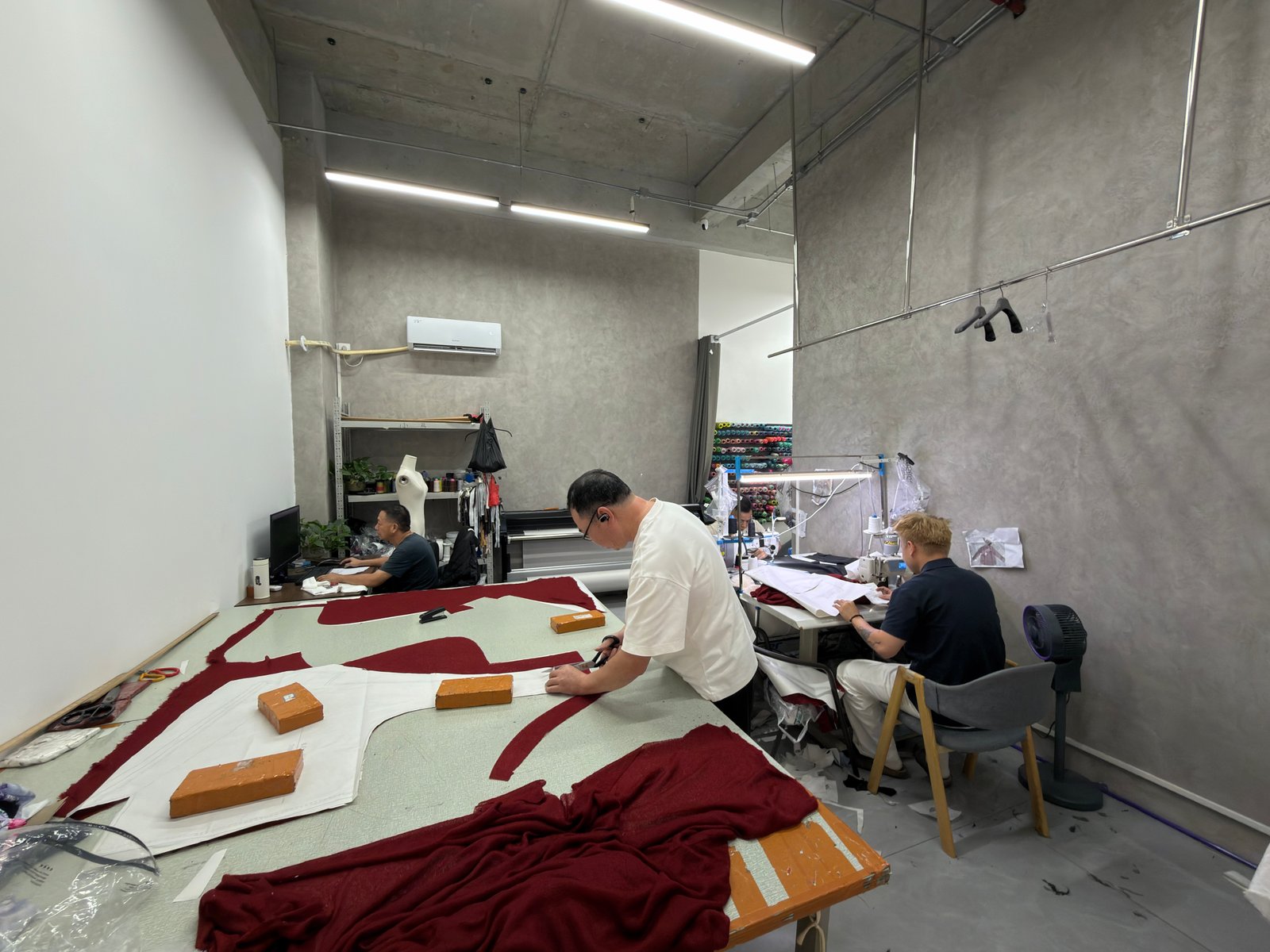
Real sample room and garment cutting work at HUYU Apparel
Real sample-room work connects approved measurements, patterns and construction details.

6. Review the sample with measurable feedback

Good feedback is specific. Instead of saying “make it better,” explain what should change: shorten the body by 2 cm, move the pocket 1.5 cm upward, reduce the neckline opening, increase sleeve width, change the fabric weight or adjust artwork placement. Photos with marked areas and an updated measurement sheet make revisions easier to reproduce.

7. Approve the production standard

Before bulk production, confirm the approved sample, measurements, size grading, fabric, colors, artwork, labels, packaging, order quantity and size breakdown. If testing, inspection or market-specific labeling is required, agree on the scope before production begins.

8. Prepare for bulk production and delivery

After approvals, the factory organizes materials, cutting, sewing, decoration, finishing, inspection, packing and shipment. Timing depends on garment complexity, material availability, quantity, color count, revisions and the production schedule. We confirm the practical timeline after the full project scope is reviewed.

What You Should Prepare Before Requesting a Quote

  • Product category and number of styles
  • Reference photos, sketches, Tech Pack or physical sample
  • Target customer, market and expected selling season
  • Preferred fabric composition, weight and hand feel
  • Color direction or Pantone references if available
  • Logo, print or embroidery artwork and placement
  • Size range and any available measurement chart
  • Estimated quantity by style, color and size
  • Label, hangtag and packaging requirements
  • Target delivery date and shipping destination

If you do not have all of these details yet, send what you have. We can identify which decisions must be made before sampling and which can be confirmed later.

Decisions for a Sensible First Collection

DecisionBeginner-friendly approachWhy it helps
Number of stylesStart with a focused capsuleSimplifies development, costing and quality control
ColorsPrioritize the strongest commercial colorsReduces material and inventory complexity
FabricChoose proven materials that fit the designMakes sampling and repeat production more predictable
CustomizationKeep the details that define the brandControls cost without losing product identity
Size rangeUse a clear measurement chart and realistic ratioSupports better fit decisions and stock planning

Common First-Time Founder Mistakes

  • Starting with too many products: every additional style, color and fabric adds development work and inventory risk.
  • Choosing only by appearance: fabric behavior, fit, care and durability matter as much as the inspiration image.
  • Changing the brief repeatedly: major changes after sampling affect cost and timing. Record decisions and approve them stage by stage.
  • Giving subjective feedback: use measurements, marked photos and clear construction comments.
  • Ignoring labels and packaging until the end: confirm brand and market information before production.
  • Planning an unrealistic deadline: allow time for sourcing, sampling, revisions, bulk production and shipping.

How HUYU Apparel Supports New Clothing Brands

HUYU Apparel works with entrepreneurs, designers and growing fashion brands that need practical manufacturing guidance. Based in Foshan, Guangdong, we coordinate development with Chinese fabric, trim, pattern, sample and production resources. We explain the information needed at each step and flag decisions that may affect fit, quality, cost or delivery.

  • Design brief and feasibility review
  • Fabric and trim sourcing support
  • Tech Pack and measurement clarification
  • Pattern making and sample development
  • Print, embroidery, labels and packaging coordination
  • Sample feedback and revision tracking
  • Bulk-production preparation and agreed quality checks

Your First Message to Us Can Be Simple

Tell us: “I want to develop a T-shirt or hoodie for my target customer. I like this fit and fabric feeling. I plan to order approximately 300 pieces in two colors and four sizes. My target delivery period is early spring.” Attach your sketches or reference images, and our team will help identify the next practical step.

Ready to Develop Your First Garment?

Send your idea, reference images, target quantity and size range to HUYU Apparel. We will review the development requirements and help you prepare for pattern making and sampling.

WhatsApp: +86-18942445471   |   Email: tanglong8915@gmail.com
Production Item

KnitSeek Capability

Products

Button-front, zip, open-front, cropped, longline, shaw-collar, varsity, hooded and coordinated cardigan styles

Materials

Cotton, wool, cashmere, acrylic, mohair, viscose, recycled fibers and blended yarns

Gauge Range

3GG-18GG

Services

OEM, ODM, private label, sampling, yarn sourcing, size grading, labels and packaging

MOQ

100 pieces per style

Sample Time

7-10 days

Bulk Production

25-45 days, depending on yarn availability, quantity, color count, design complexity and production schedule

Design Development Services for Custom Apparel

From a first sketch to a complete collection direction, we help define the garment category, customer, price point, fit, materials, details and brand expression before pattern and sampling begin.

  • Button-front cardigans:  V-neck, crew-neck polo-collar, collarless and shaw-collar constructions with custom button size,spacing and material.
  • ZIp cardigans:  Ful-zip, two way zIp, quarter-zip and hooded options, with ZIpper lengh and tape stabilty checked aganst the knitted front edge.
  • Open-tront cardigans:  Clean-tront watertal, belted and longline styles that rey on controlled drape and front-edge recovery raher than buttons
  • Cropped and bolero cardigans:  Short proportions for fashion capsules, occasionwear and coordinated sets.
  • Chunky cardigans:  Heay cable, rb, oversized and textured designs, generally developed in lower gauges with greater garment weight.
  • Fine-gauge cardigans:  Lghtweight cashmere, wool cotton or viscose -blnd styles for premium layering. oficewear and trans-seasonal collections.
  • Graphic and varsity cardigans:  Jacquard, intarsia, embroidery, contrast trims, stripes, badges and custom artwork

For product references, buyers can revew a cable-knit wool cashmere cardigan and a women's open -front cashmere cardigan These are develpmentexamples rather than fixed stock styles; yarn, gauge, fit, color, trims and branding can be adjusted for your project.

Design Decisions to Confirm Before Sampling

Confirm the garment category, silhouette, fit, fabric, construction, decoration and branding details before a sample is cut or sewn.

Design Decision

What Must Be Confirmed

Typical Production Risk

Front placket

Width, stitch structure, density, attachment method and finished
length

Waving, twisting, stretching or uneven front lengths

Buttons and
buttonholes

Button diameter, thickness, weight, spacing and buttonhole
recovery

Buttonholes opening too wide, pulling or
misalignment

Zipper

Zipper type, tape, length, shrinkage behavior and insertion
method

Rippling, exposed tape or a front edge that does not
lie flat

Neckline or collar

V depth, collar height, rib recovery and neckline shape

Neckline spreading, collar collapse or asymmetric
fronts

Pockets

Position, opening width, reinforcement and weight

Sagging, distortion or visible pulling on the body

Hem and cuffs

Rib tension, width, elastane use and finished recovery

Flare, tightness or loss of shape after washing

I you are stll converting a concept into production specifications the design your own knited sweater guide exp lans how to prepare artwork yam stich
measurement and Tech Pack information before sampling.

Fabric, Fit and Color Direction

We compare fabric weight, hand feel, drape, stretch, color, finish and care needs so the design direction matches the target customer and selling season.

  • 3GG-5GG:  Suitable for chunly cables oversized sllouettes, heary rbs and winter cardigans. These styles use more yarn and may require stronger
    buttons, reinforced pockets and careful weight control.
  • 7GG-9GG:  A practical mid weight range for wool blends, cotton, acyic and everyday cardigans. It supports visible texture without becoming excessively
    bulky.
  • 12GG-14GG:  Suitable for deaner, ighter cardigans, refined ribs and premium layering pieces. Placket stability and measurement control become more
    visually noticeable because the surface is smoother.
  • 16GG-18GG:  Used for fine- gauge, lightweight cardigans in suitable cashmere, wool, viscose or blended yarns. Yan quality, stitch density and finishing
    need close control because small irregularities are easier to see.

Material selection should reflect the selling season and care expectations. Wool and cashmere provide warth and premium hand feel but require fiber-content accuracy, pilling assessment and appropriate care instructions. Cotton offers a dry, breathable handle but may become heay in long cardigansViscose improves drape but can need extra attention to growth and recovery. Acryic and blended yamns can support price control,color availability andeasier care, but the blend should be tested against the intended hand feel and pilling target.

Our Design Development Process

Review the brief, align the design direction, prepare production details, coordinate patterns and samples, collect measurable feedback, then lock the approved specification for production.

  1. Design review: Send a Tech Pack, sketch, reference garment or product images. We review the slhouette,measurements, yarn, gauge, stitch structure
    placket, closure, pockets and branding details.
  2.  Feasibility and quotation: We confim suitable yarn options, color method, trim availability, MOQ, sample cost and estimated production schedule
    Custom-dyed yarns, special buttons and complex artwork may affect both minimums and timing.
  3. Sample development Sampling usually takes 7-10 days after te main develpment details are confimed. The fist sample is used to evaluate
    appearance, hand feel, construction, measurements and fit.
  4.  Sample revislon Comments should identiy measurable changes, such as front length, V depth, button spacing, pocket position, body width or sleeve
    shape. General comments such as "make it better" are difficult to reproduce consistently.
  5. Bulk preparation Before bulk production, the yarn, color, measurements trims, labels, packaging and approved workmanship standard are confimed.
  6. Bulk production and inspection: Production normaly takes 25-45 days depending on yarm availability, quantity, color count design complexity and
    production schedule. Finished cardigans are checked before packing and shipment.

For a broader view of yarn sourcing, sampling. grading. private label details and production planning, see our custom knitwear manufacturing service

Budget and Feasibility Factors for Design Development

Budget depends on fabric, trims, construction, decoration, quantity, color count, size range, packaging and the number of sample revisions. We flag trade-offs early.

The unit price is mainly influenced by:

  • Yarn composition, yarn count, fiber grade and color method
  • Garment weight and yarn consumption
  • Gauge, stitch density and knitting time
  • Cable, jacquard, intarsia, crochet, embroidery or special structures
  • Button, zipper, pocket, belt and other trim requirements
  • Size range and grading complexity
  • Washing, brushing, special finishing or testing
  • Labels, hangtags, barcodes and packaging
  • Order quantity, color count and delivery schedule

A low advertised MOQ does not always mean a low-cost fist order Yam minimums custom colors, trim setup and sample revisions can make a smllrun
expensive. The most efficent first order usualy limits unecessay colorways and uses a dearly defined size ratio while preserving the design details that
matter to the customer.

Design Review and Sample Checkpoints

We review measurements, fit balance, construction, artwork placement, labels, finishing and packaging against the approved brief before moving forward.

When reviewing a cardigan sample, the first checks should be the front balance and closure. Lay the garment flat without pulling it into shape. Both fronts
should finish at the same length, the placket should lie dleanly,and the neckine should meet symmetrically. Then close every button or zipper and check
whether the body twists or the front edge buckles.

  •  Placket width, density, straightness and left-to-right length balance
  • Button size, spacing, attachment security and replacement-button requirement
  • Buttonhole size, reinforcement, stretch and recovery
  •  Zipper length, tape exposure, smooth operation and front-edge rippling
  • Neckline shape, collar roll, shoulder balance and armhole appearance
  • Pocket position, opening size, reinforcement and sagging
  • Chest, body length, sleeve length, cuff and hem measurements
  • Garment weight, hand feel, pilling tendency, color consistency and shrinkage
  •  Linking, seam cleanliness, loose yarns, finishing and pressing
  • Linking, seam cleanliness, loose yarns, finishing and pressing

Our knitwear quality control process explains how material, measurements, workmanship and final packing are checked across development and buik
production.

Private Label, Packaging and Compliance

Private labe cardigan production can incude neck labels, care labes, size labels hangtags, barcode stickers, branded poybags tissue, cartons and other
buyer-specifed packaging. These details should be confirmed during sampling because label dimensions and placement can affect the garment finish.


For products sold in the United States, most textile and wool garments requre acurate fiber content county of origin information and the identity of the
manufacturer or responsible marketer, Appare also requires approprate care instructions. Buyers should prepare target-market label requirements before
bulk production rather than treating labels as a final packing decision.


Knitseek can discuss BSC, WRAP, OEKO-TEX. RWS and GRS-related requirements according to the factory, yam, material and order scope. These references
are not automatic daims for every cardigan or every yam. The relevant certificate, transaction documentation or test requirement should be checked for the
specific order before it is used in product marketing.

What to Send for Design Development

Send a sketch, mood board, reference garment or product photos, target customer, fabric ideas, size range, artwork, quantity and target delivery date.

  • Tech Pack, sketch, product photos or reference sample
  • Target yarn composition, hand feel and garment weight
  • Preferred gauge or visual reference
  • Color standards or Pantone references
  • Size chart, grading rules and order size range
  • Front placket, button, zipper, pocket and collar details
  • Artwork for jacquard, intarsia, embroidery or other decoration
  • Order quantity, color split and size ratio
  • Target market and compliance requirements
  • Label, hangtag, barcode and packaging specifications
  • Requested delivery date and shipping destination

A complete Tech Pack is useful, but it is not the only way to begin. We can review a reference sample or dear images and identiy which detail stil need to
be converted into measurements and production specifications.

Frequently Asked Questions

What is the MOQ for custom cardigans?

Our usual MOQ is 100 pieces per style. The final color and size split depends on yarn availability custom dyeing, trim minimums, artwork and design
complexity.

Can you make a cardigan from a photo or physical sample?

Yes We can review a product photo, physical sample, sketch or Tech Pack A photo can show the appearance, but measurements, yarn, gauge, garment
weight, closure details and construction stillneed to be confirmed before sampling.

How long does cardigan sampling and bulk production take?

Sample time is usually 7-10 days. Bulk production is normaly 25-45 days, depending on yarn availability, quantity, color count design complexity and the
production schedule.

Can you make button, zipper and open-front cardigans?

Yes. We can develop buton-font, full-zip, two -Way zip, open-front, belted and other cardigan constructions. The placket or front edge must be matched to
the yarn, stitch and garment weight.

Which yarn and gauge should I choose?

The choice depends on season, slhouette, target price, hand fel and care requirements. Chunky styles commonly use lower gauges, while lightweight
premium cardigans commonly use finer gauges. We can recommend options after reviewing the design.

Can you add private labels and custom packaging?

Yes. Neck labels, care labels, size labels, hangtags, barcode stickers and custom packaging can be incuded. Please provide the label artwork dimensions and
target-market information before bulk production.

Start Your Custom Cardigan Project

Share your concept, reference images or existing Tech Pack. HUYU Apparel will review the product direction and recommend the next practical step.

MOQ:  100 pieces per style | Sample Time:  7-10 days | Bulk Production:  25-45 days | Gauge: 3GG-18GG

Contact KnitSeek and send your cardigan project.

References

  1. Federal Trade Commission, Threading Your Way Through the Labeling Requirements Under the Textile and Wool Acts.
  2. Federal Trade Commission, Clothes Captioning: Complying with the Care Labeling Rule.
  3. OEKO-TEX, OEKO-TEX STANDARD 100.
  4. Textile Exchange, Responsible Wool Standard
  5. .Textile Exchange, Recycled Claim Standard and Global Recycled Standard.

About the Author

Wen has more than 20 years of practical experience in knitwear development production management and garment quality control.